
Das handschriftlich geführte, historische Gesamtwerkverzeichnis von Franz Reckert umfasst insgesamt etwas mehr als 1.000 katalogisierte bildnerische Arbeiten. Hinzu kommt ein umfangreiches plastisches Werk, von dem ein Großteil aus Entwürfen und Modellen für Kunst-am-Bau-Projekte besteht.
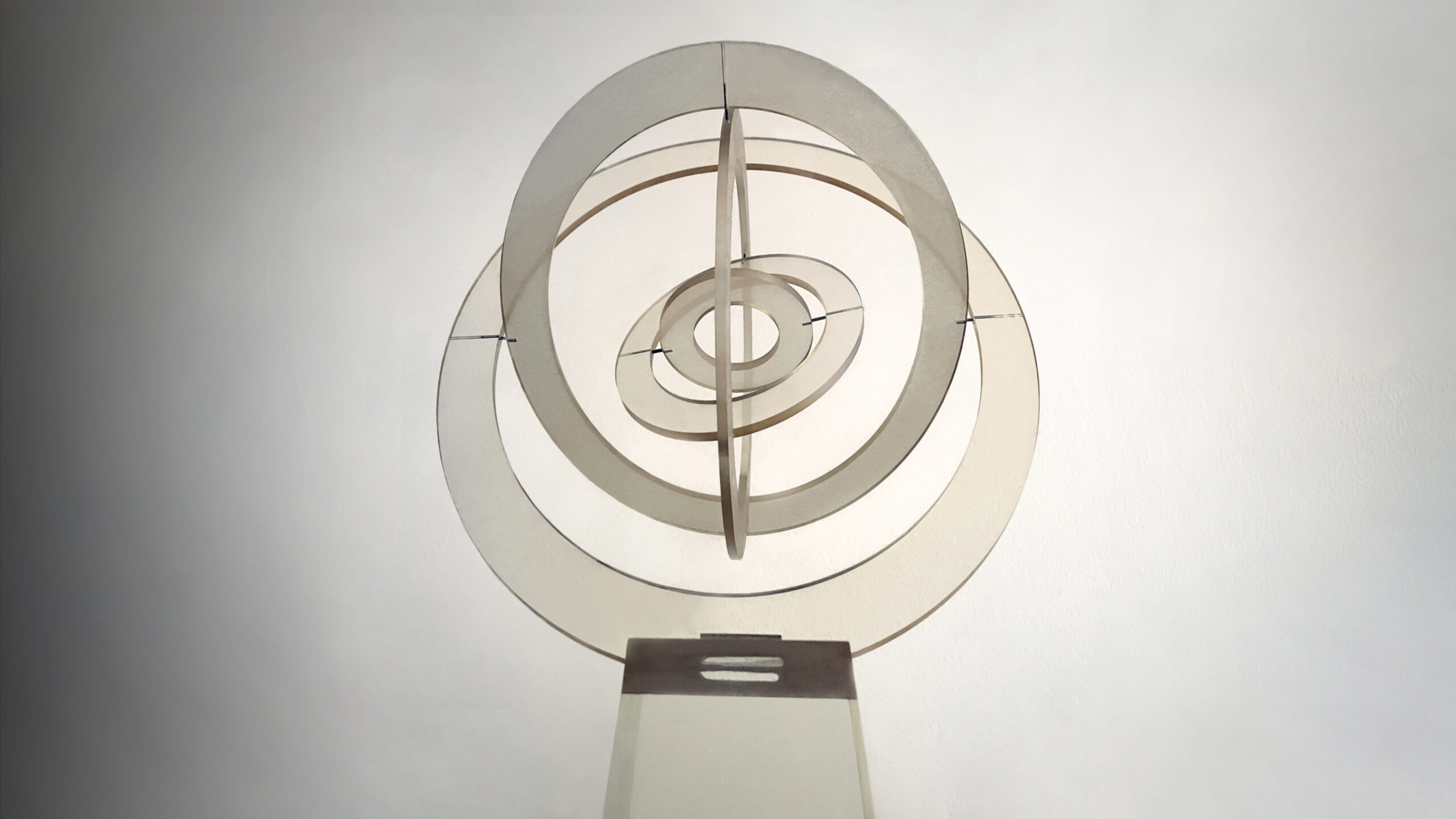
Franz Reckert, Ringsystem, kinetisches Objekt aus Plexiglas, entworfen für die Olympiade 1972 – Ring System, kinetic object made of Plexiglas, designed for the 1972 Olympics.
The Franz Reckert Archive (1914–2004)
This site serves as a central digital resource for institutional, museum, and art-historical inquiries regarding the life’s work of the Hamburg and Sylt-based painter and sculptor Franz Reckert.
As the creator of numerous works in public spaces – such as the officially listed White Rose Memorial in Hamburg-Volksdorf (Wandsbek Monument List, ID 27485) – and as a co-founder of the historic artists’ gathering place, pottery studio, and tea room Witthüs on Sylt, his multifaceted body of work is an integral part of post-war German art history and modernism.
The handwritten historical catalogue raisonné of Franz Reckert comprises slightly more than 1,000 catalogued works of visual art. It also includes an extensive body of sculptural work, much of which consists of designs and models for art-in-architecture projects.
To ensure the long-term preservation of his artistic legacy, a significant core collection of his estate is already being preserved at the Forum für Künstlernachlässe (FKN) in Hamburg – a nonprofit association dedicated to promoting art and preserving cultural heritage, which is officially supported by the Hamburg Authority for Culture and Media among others. Over 130 of these works and objects are already digitally accessible to the public via the official Schleswig-Holstein & Hamburg Museum Portal.
Further verified details regarding his biography, his exhibitions, and his site-specific works in urban spaces can be found in the extensively documented Wikipedia article on Franz Reckert, as well as in excerpts from the official Catalog of Works of the Hanseatic City of Lübeck and the states of Schleswig-Holstein & Hamburg.
For qualified inquiries from museums, private and public foundations, auction houses, as well as for support with scholarly provenance research, please contact his son and estate curator ✉️ Florian Reckert.
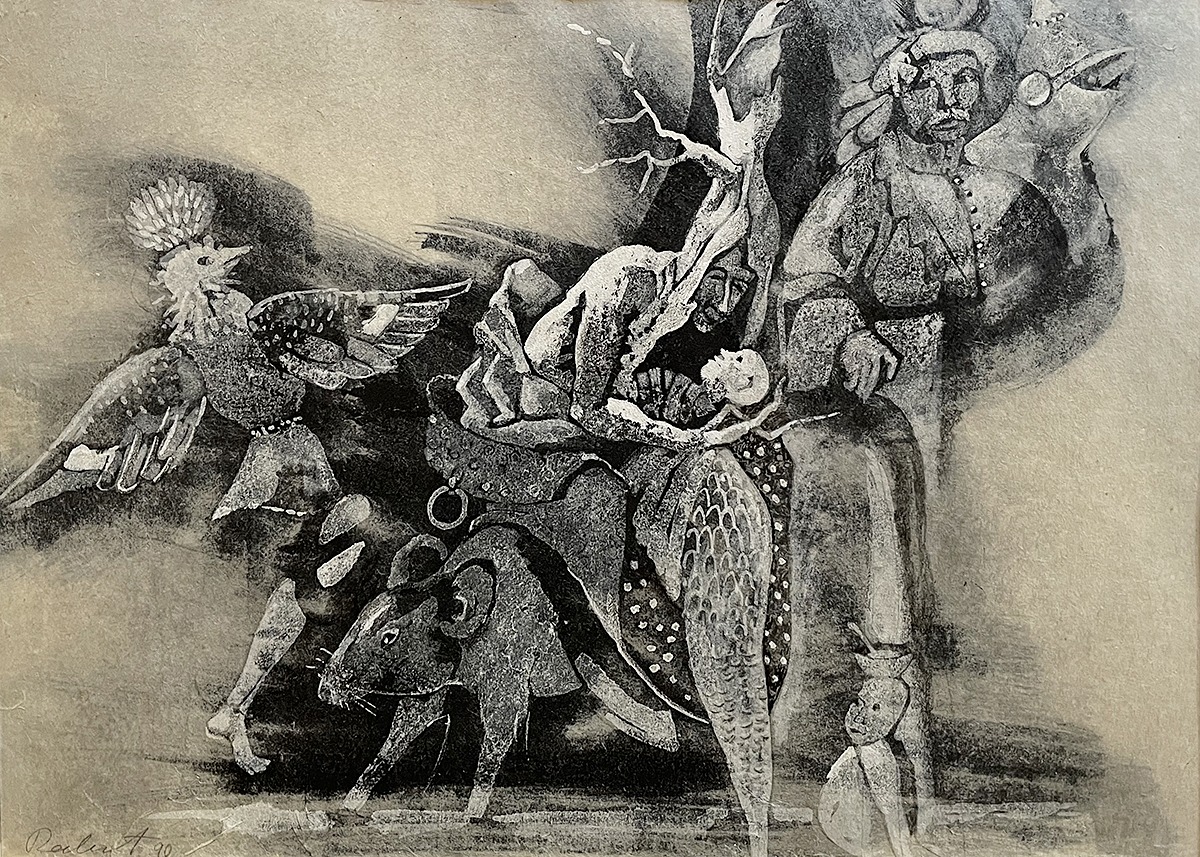
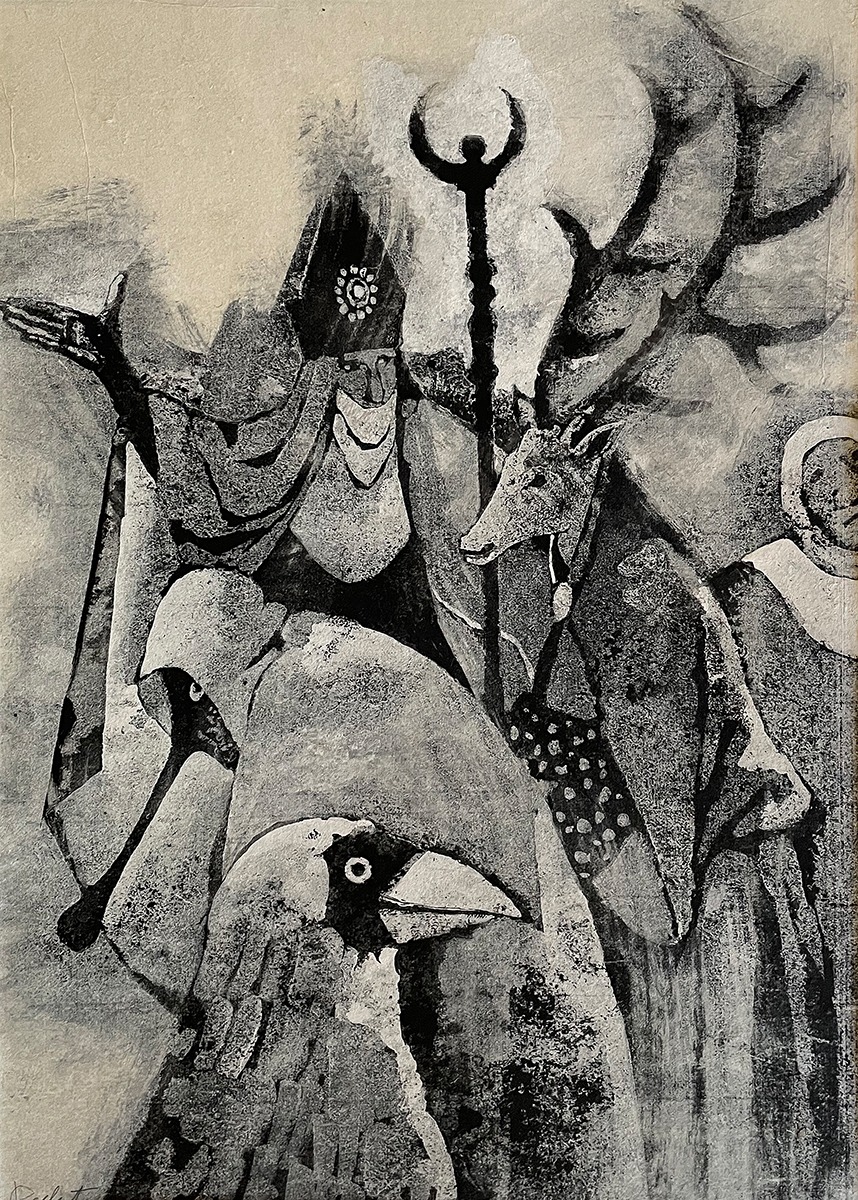
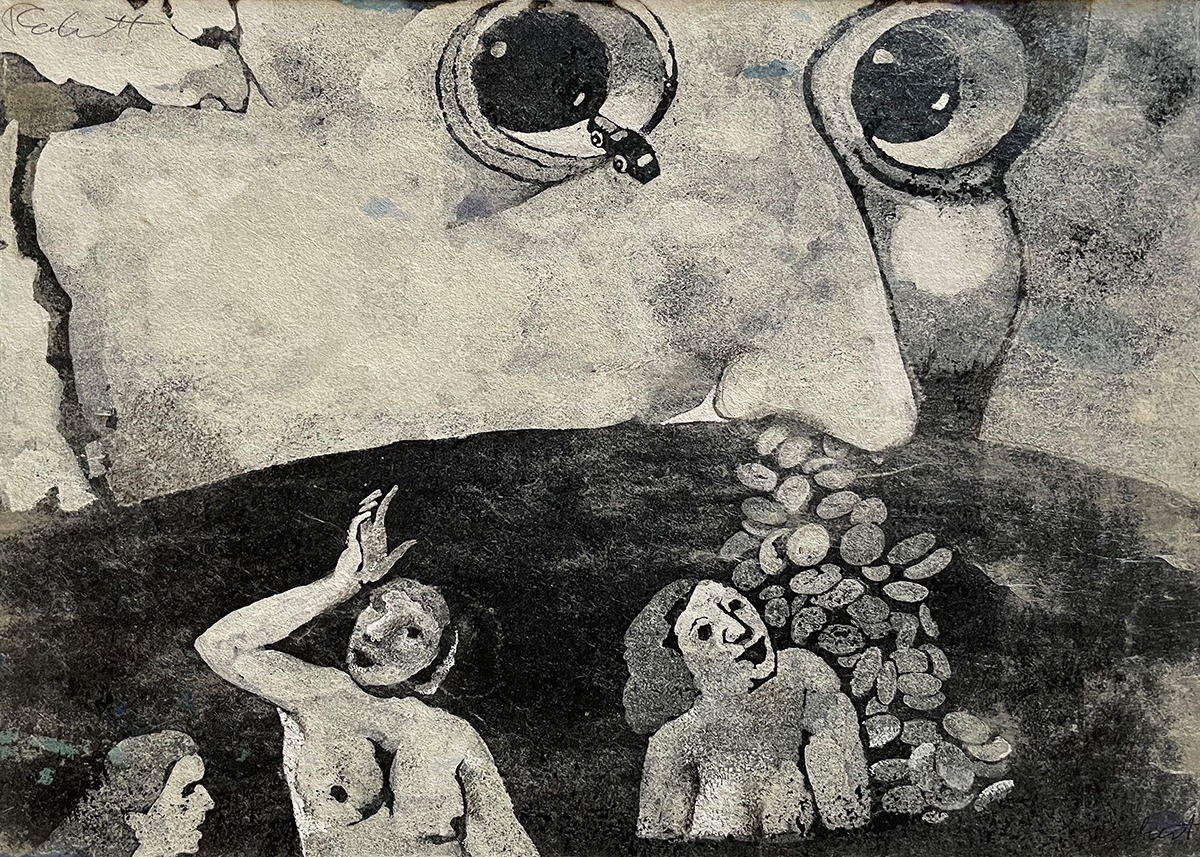
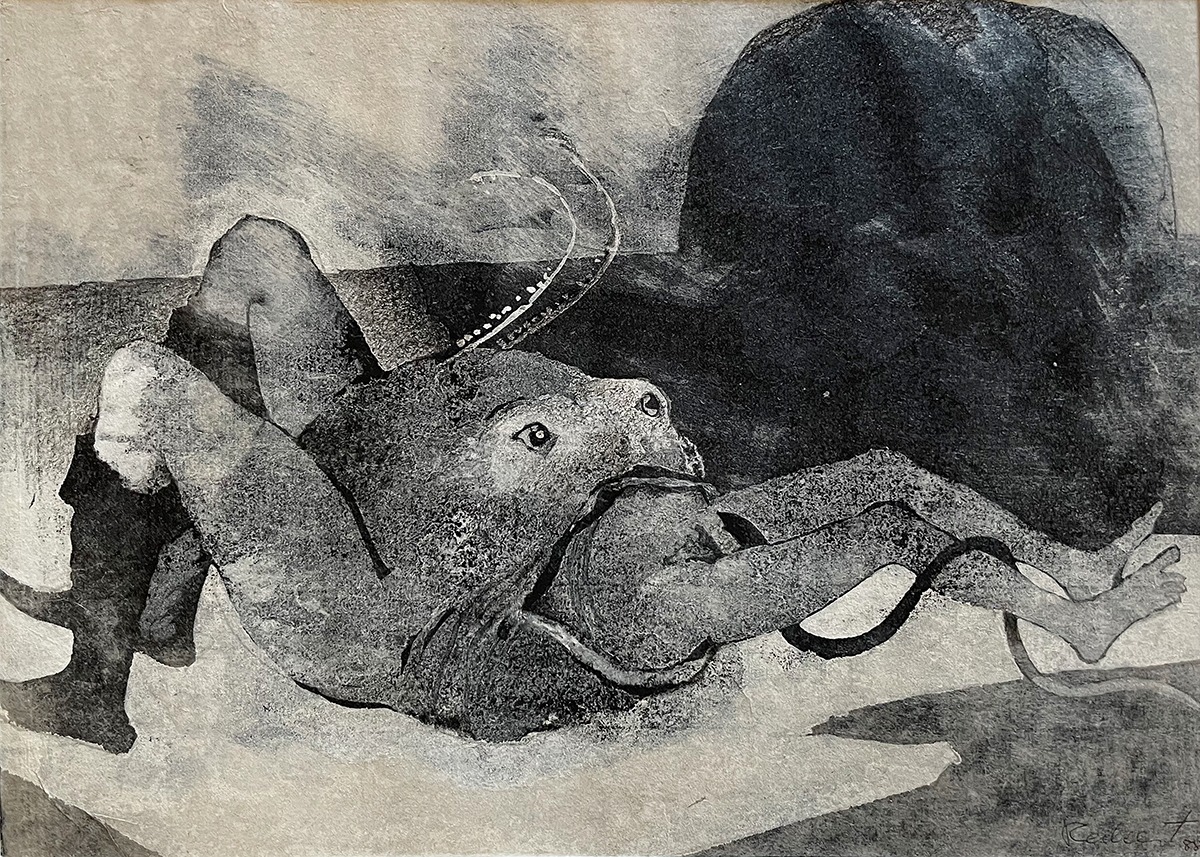
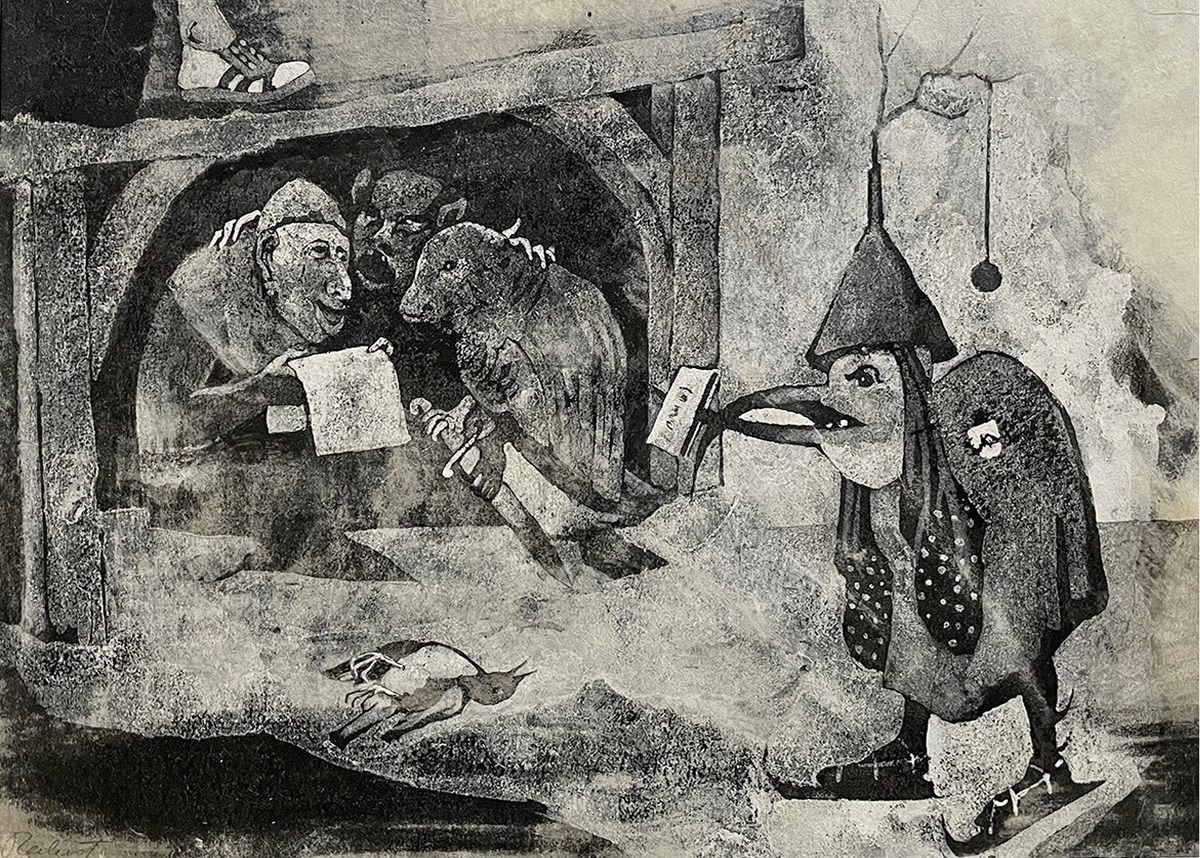
Franz Reckert, »Baum,Mutter und Kind« (Tree, Mother and Child) from the series »Hommage à Hieronymus Bosch«, black ink on paper, 31 x 43 cm, 1990
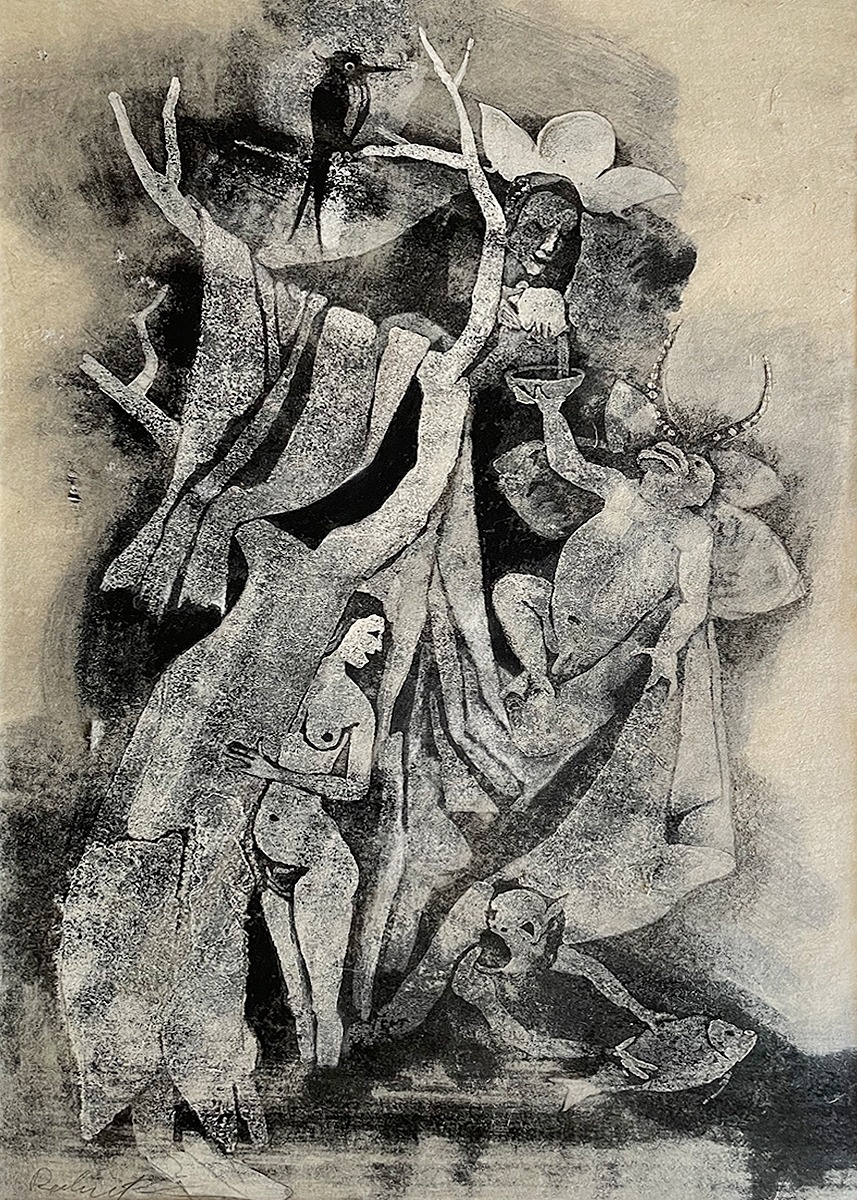
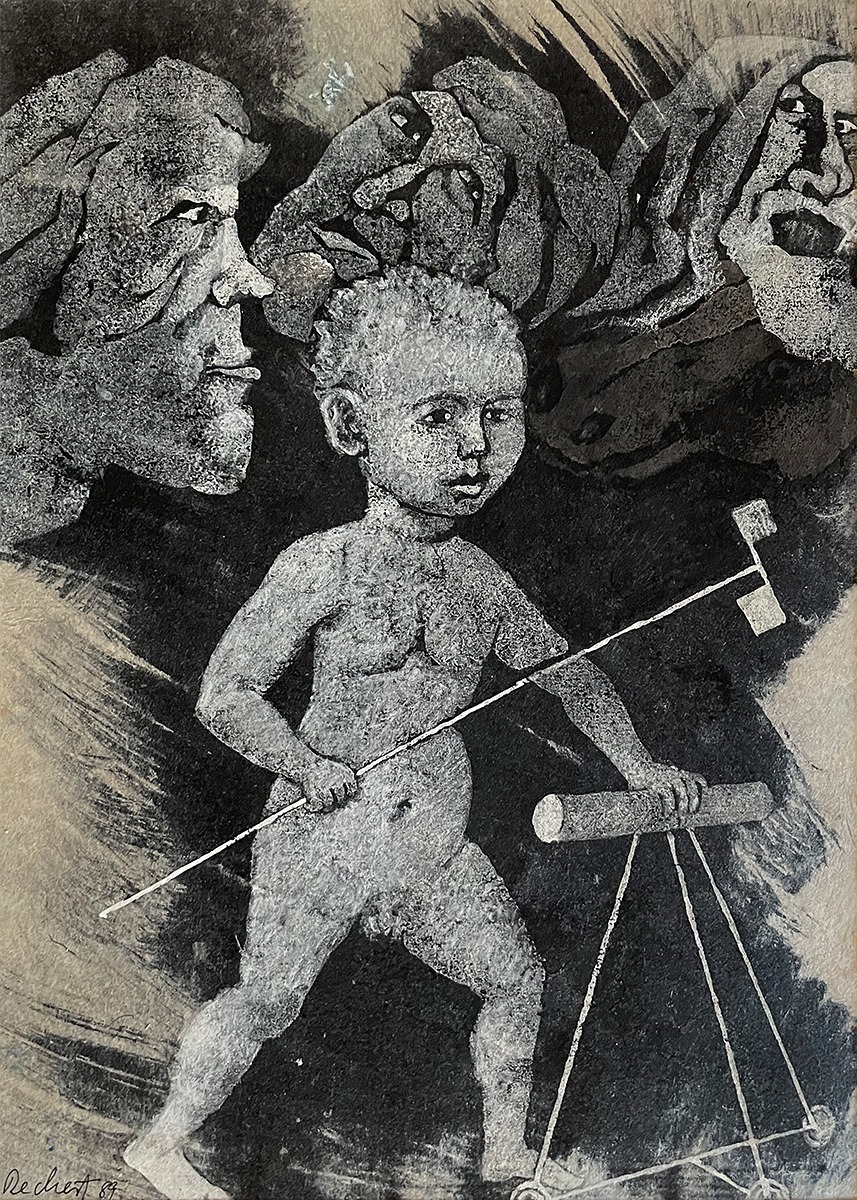
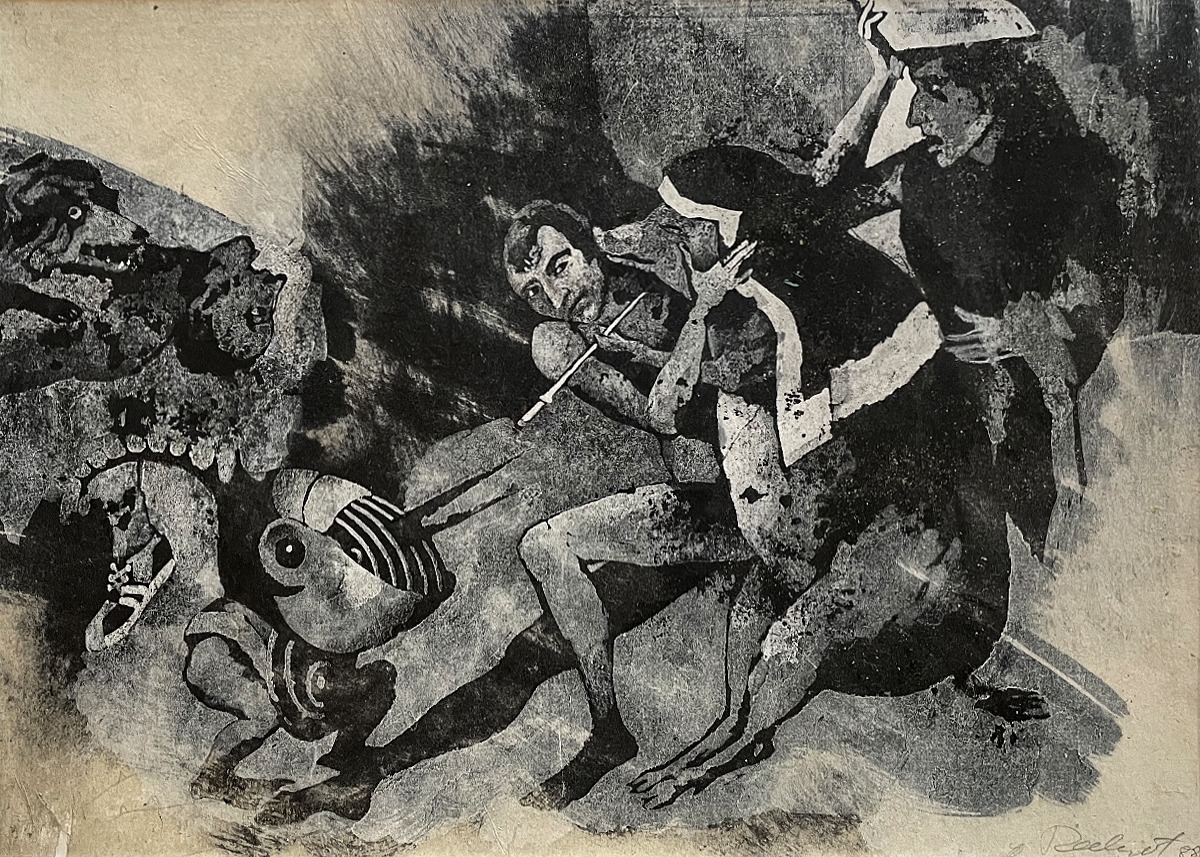
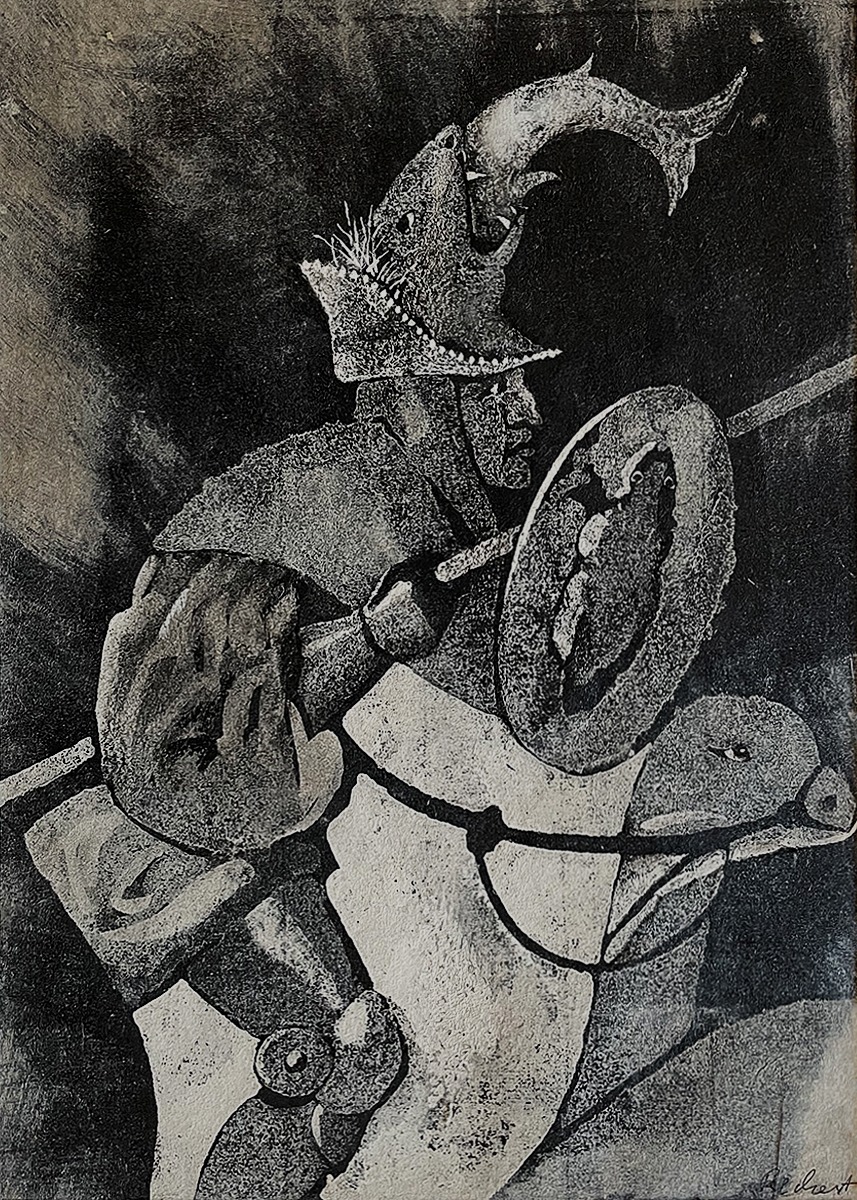
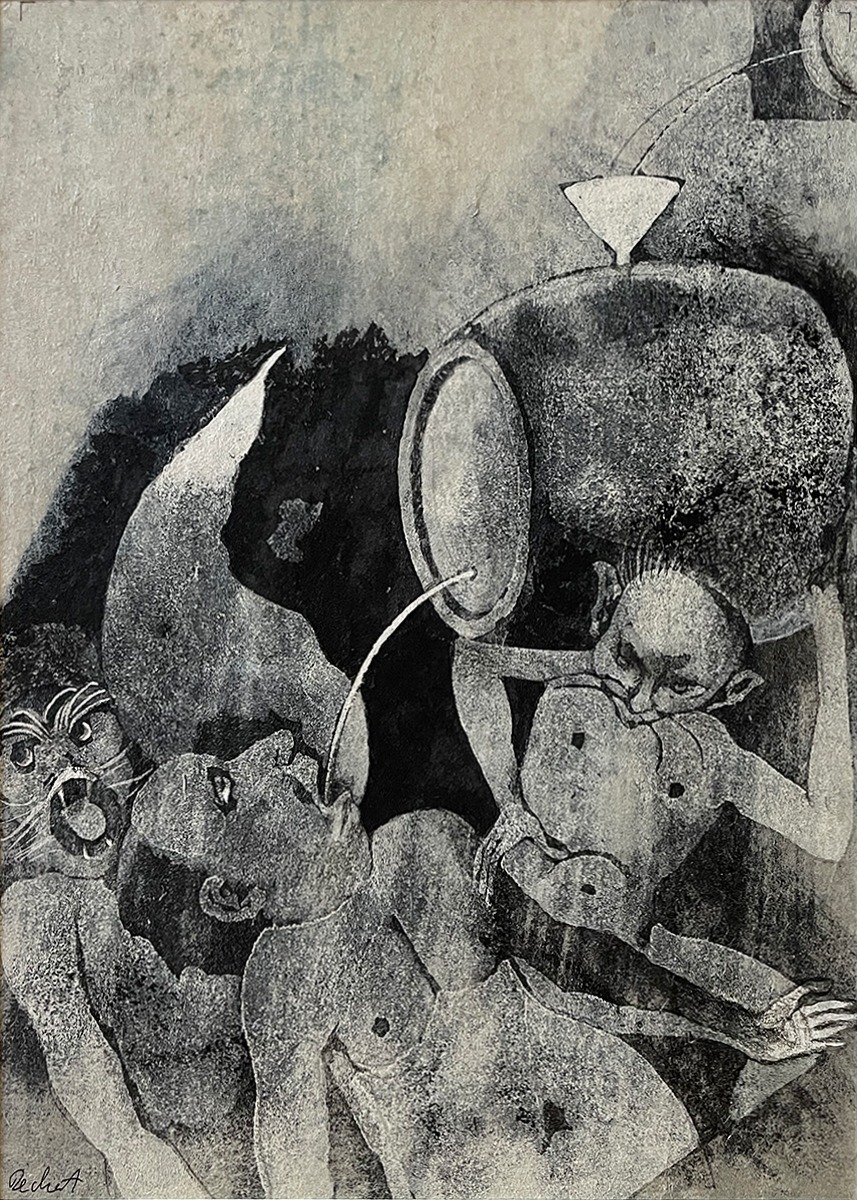
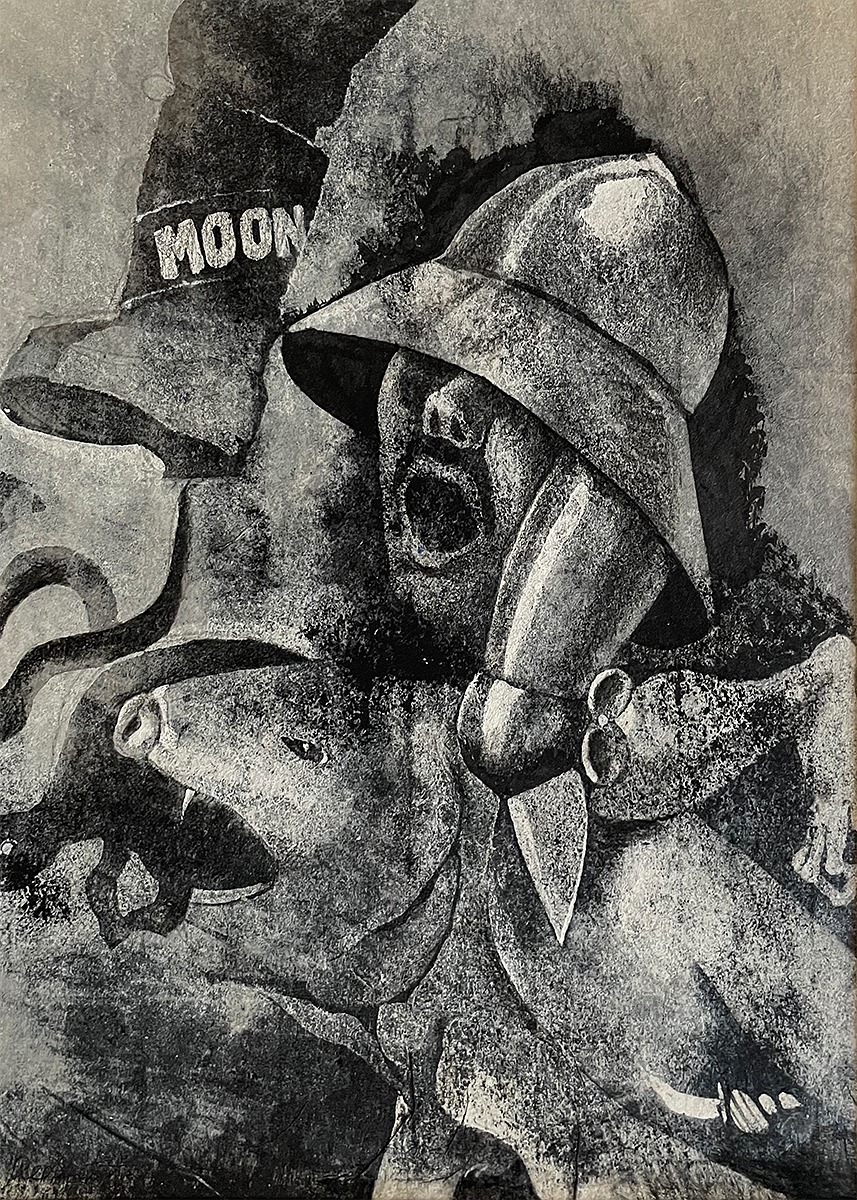
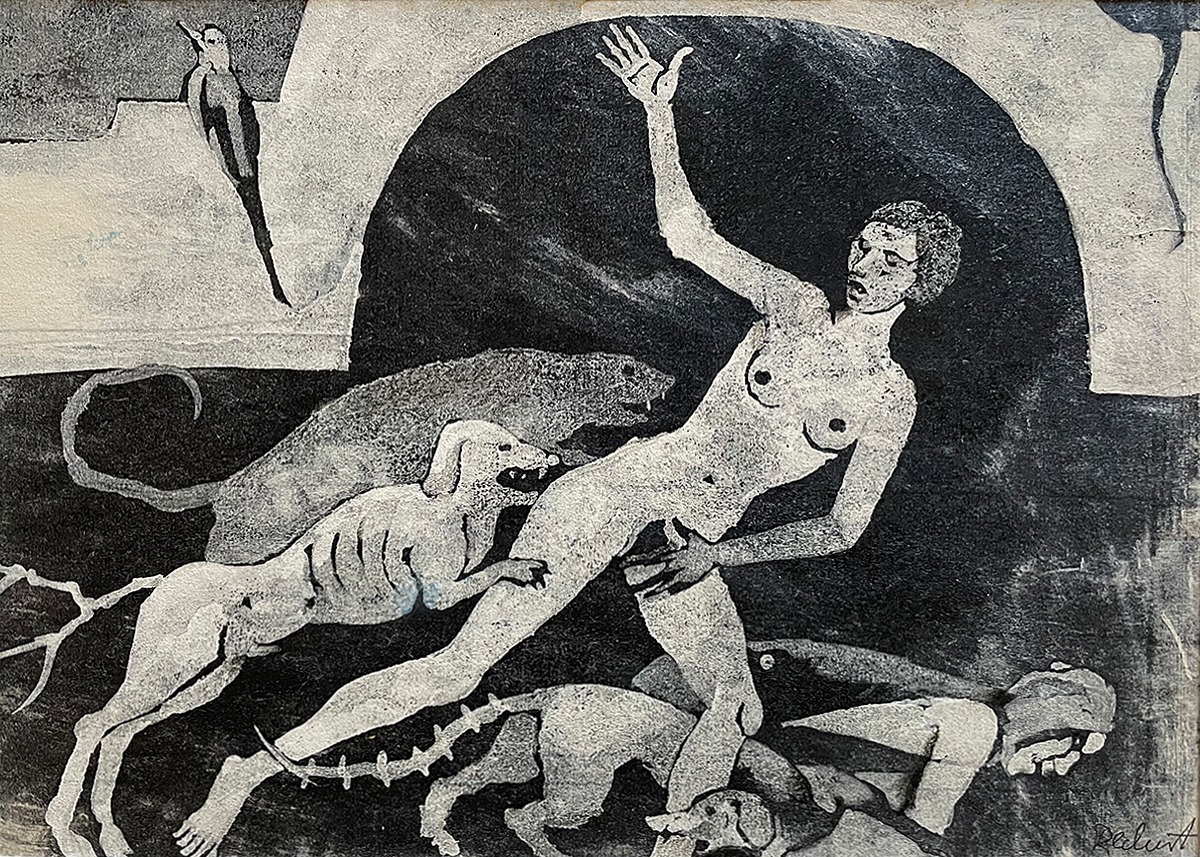
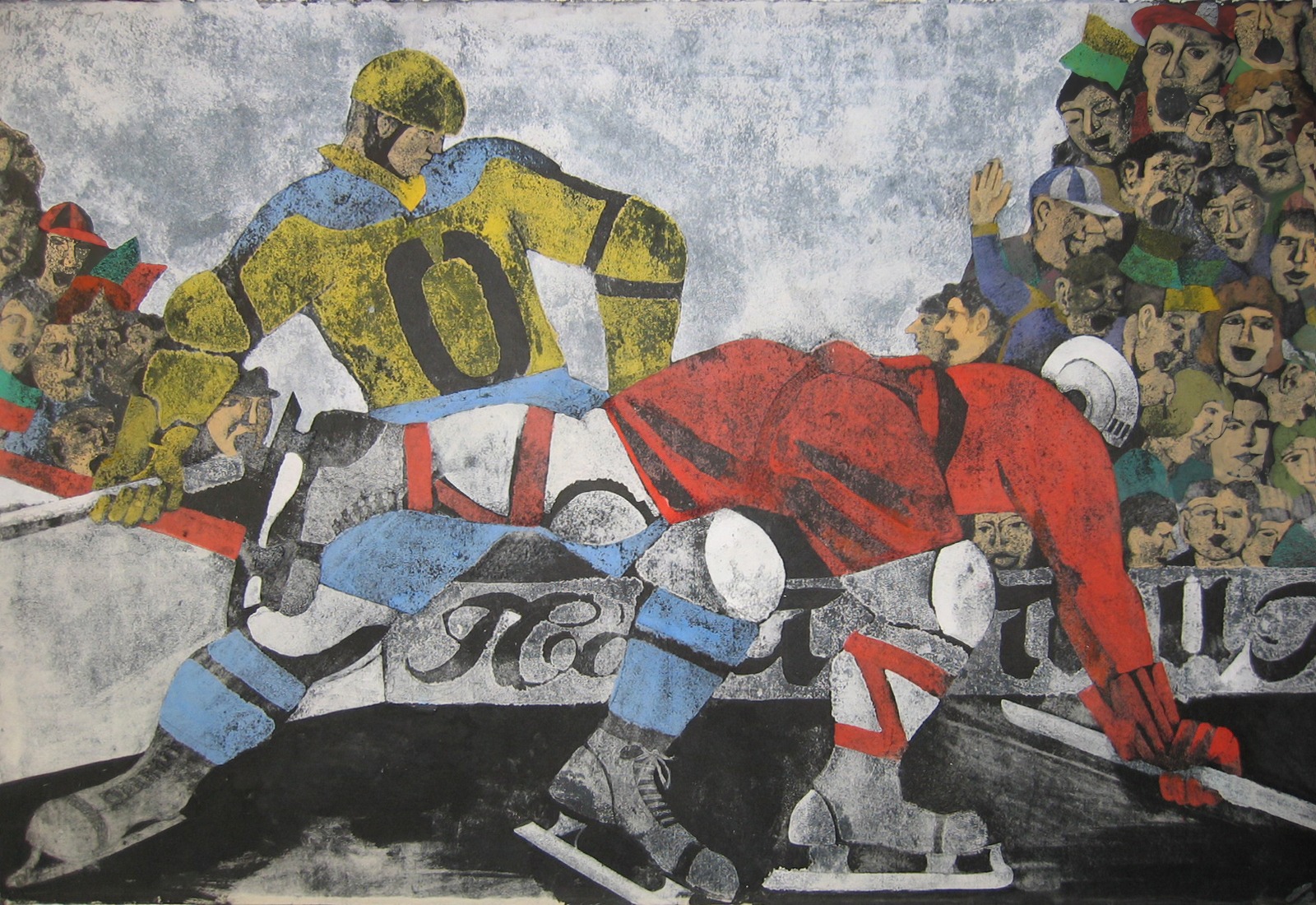
Franz Reckert, »Bodycheck« from the series »Sports«, ink on paper, 100 x 70 cm, 1981
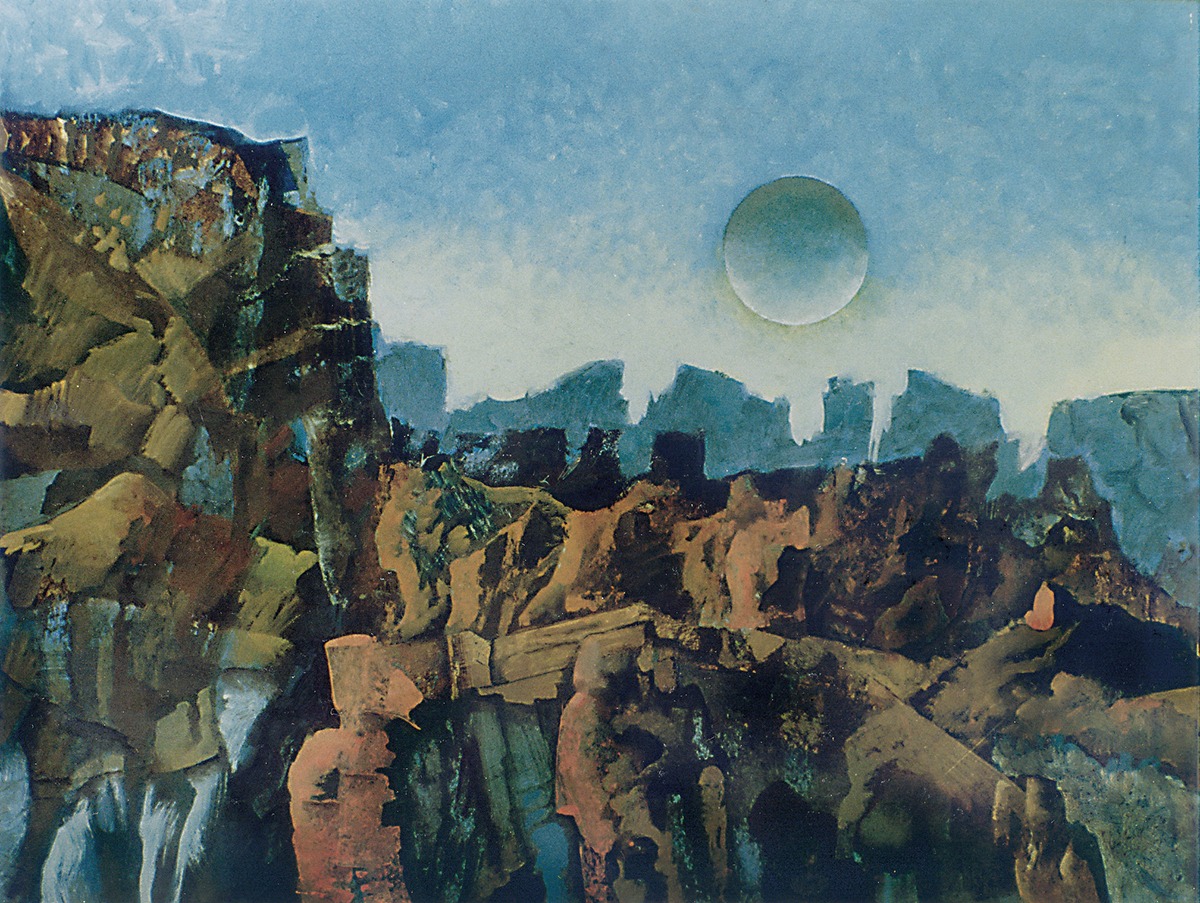
Franz Reckert, »Felsenlandschaft mit Mond« (Rocky Landscape with Moon), oil and tempera on cardboard, 93 x 70 cm, 1984
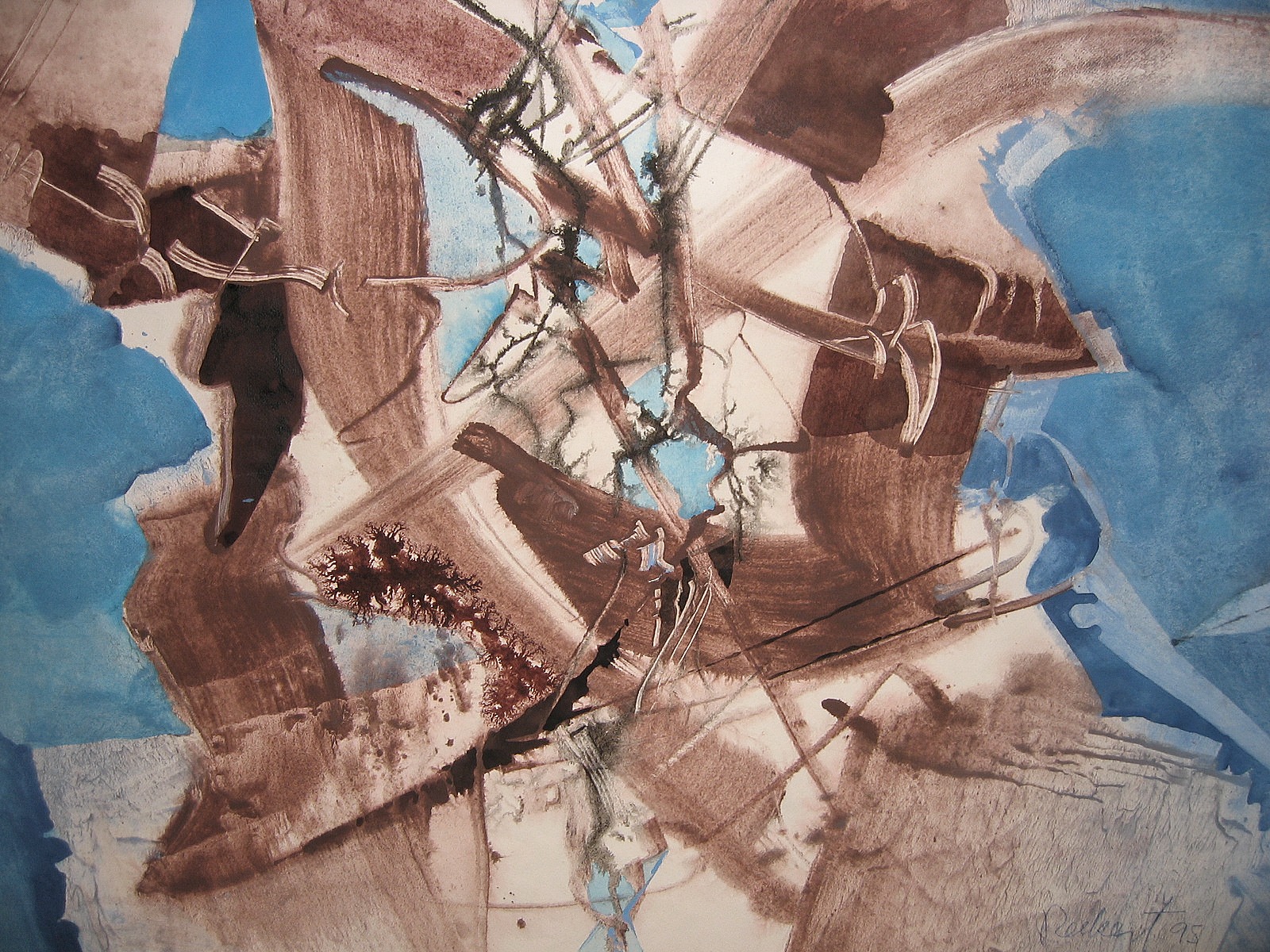
Franz Reckert, »Komposition Braun/Blau« (Composition Brown/Blue), ink and watercolor on paper, 32 x 50 cm, 1999
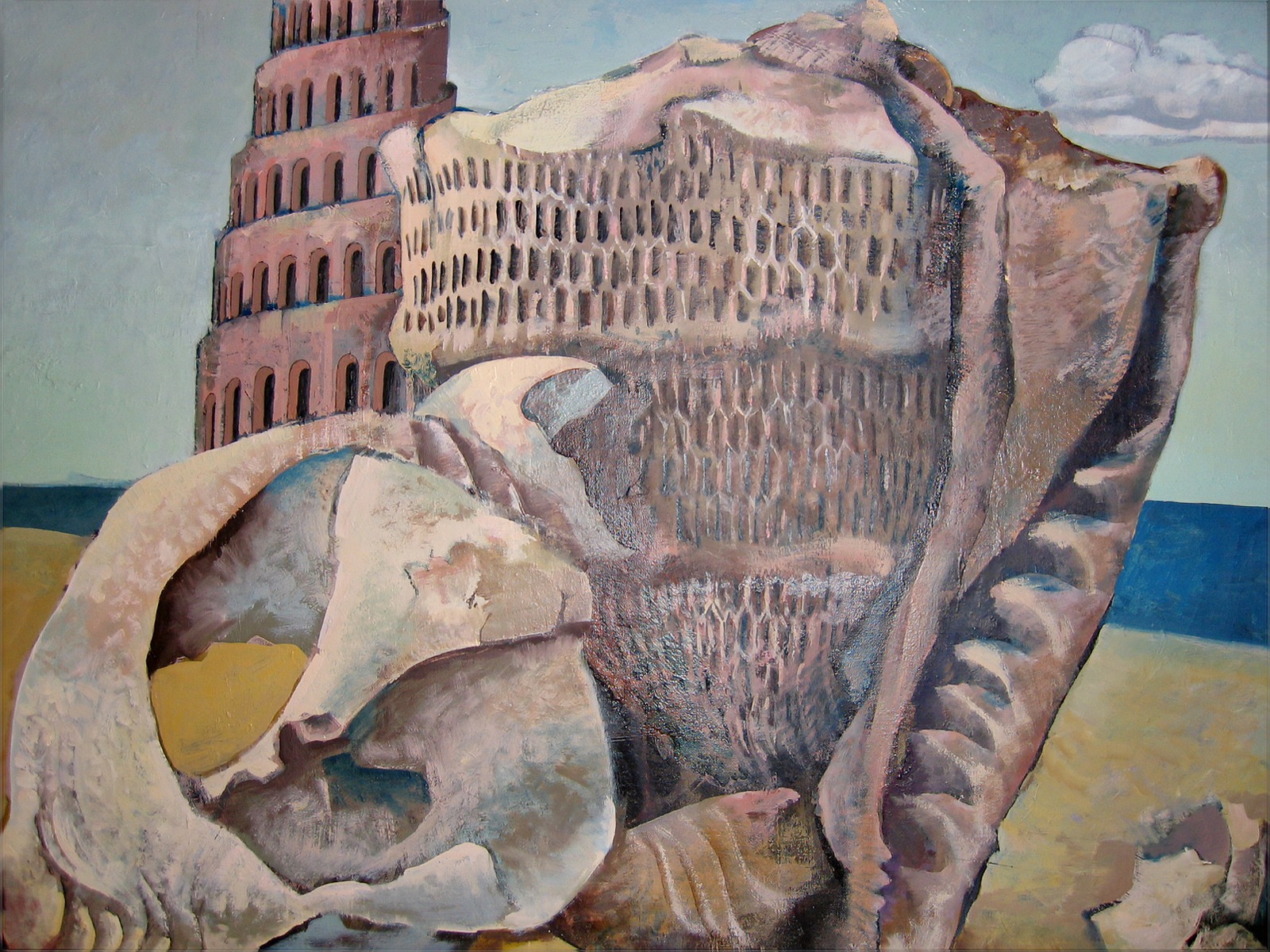
Franz Reckert, »Schneckenarchitekturen« (Snail Architectures), Oil on canvas, 103 x 80 cm, 1969
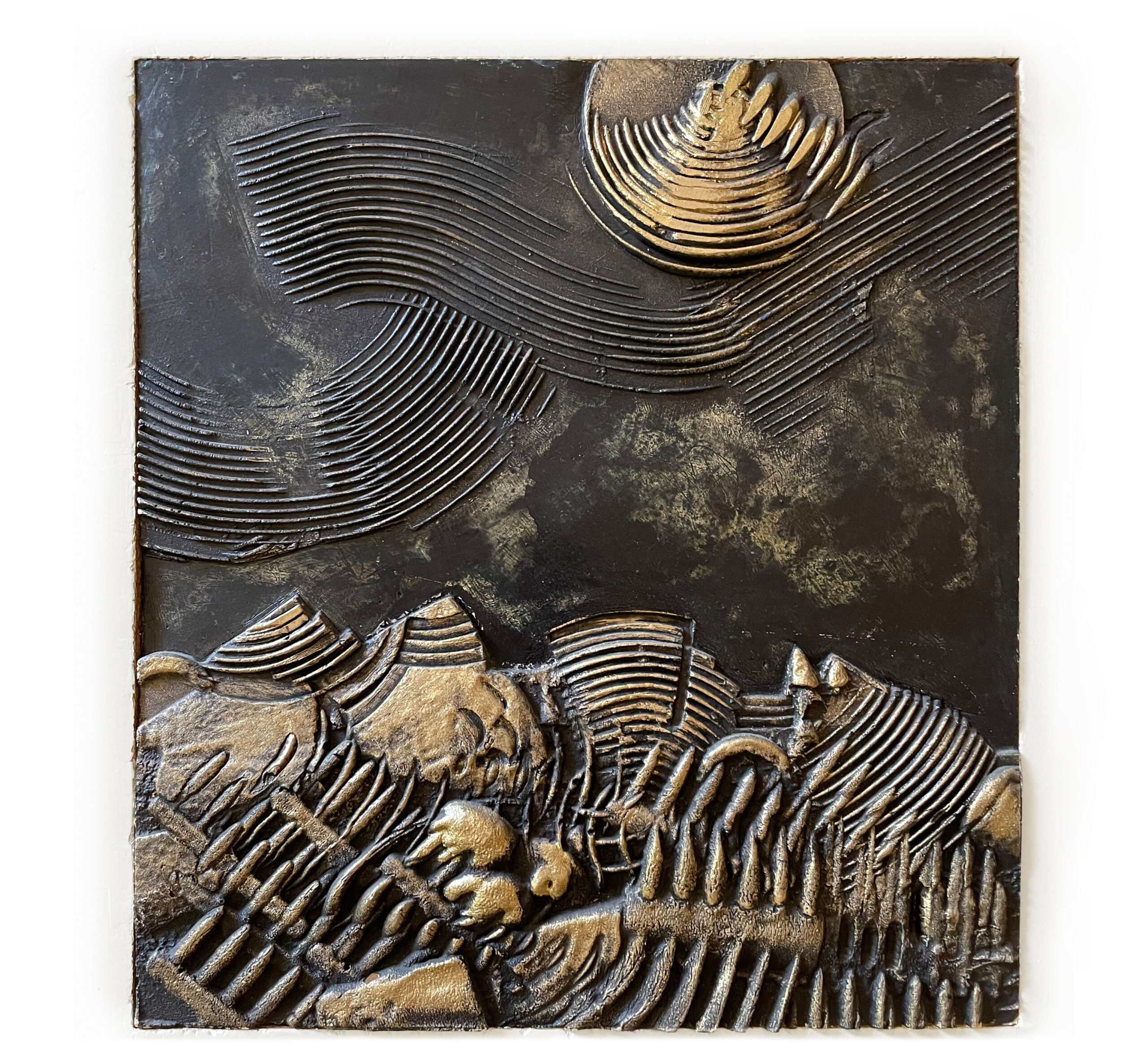
Franz Reckert, Reliefbild »Vegetation mit Sonne« – Relief painting »Vegetation with Sun«, painted plaster, 30 x 33 cm, 1991
Kunst am Bau 1: »Pagoden« Brunnenanlage (1971)
Die denkmalgeschützte Brunnenanlage von Franz Reckert rechts neben dem Haupteingang der heutigen Asklepios Klinik Altona in Hamburg-Othmarschen wurde 1971 gemeinsam mit dem damaligen Neubau des Allgemeinen Krankenhauses Altona eingeweiht. Die monumentale Kunst-am-Bau-Arbeit zählte damals zu den bedeutenden baugebundenen Arbeiten des Künstlers im öffentlichen Raum Hamburgs.
Seit den späten 1990er- bzw. frühen 2000er-Jahren ist die Brunnenanlage aufgrund technischer Mängel im Leitungssystem sowie hoher Wartungs- und Betriebskosten dauerhaft außer Betrieb und liegt seitdem trocken. Trotz ihres Denkmalstatus befindet sich die Anlage heute in einem zunehmend sanierungsbedürftigen Zustand.
Vor dem Hintergrund der schrittweisen Privatisierung des ehemaligen Allgemeinen Krankenhauses Altona durch den Klinikkonzern Asklepios seit 2004 stellt sich langfristig auch die Frage nach dem Erhalt und der denkmalgerechten Pflege baugebundener Kunstwerke im öffentlichen Raum – nicht nur an dieser Stelle.
Die Brunnenanlage von Franz Reckert ist Teil der Hamburger Kunst-, Architektur- und Stadtgeschichte der Nachkriegsmoderne und dokumentiert zugleich die enge Verbindung von Kunst, Architektur und öffentlicher Gesundheitsversorgung dieser Zeit.
Public Art 1: »Pagoda« Fountain (1971)
The protected fountain sculpture by Franz Reckert, located to the right of the main entrance of today’s Asklepios Klinik Altona in Hamburg-Othmarschen, was inaugurated in 1971 together with the new building of the former Allgemeines Krankenhaus Altona (General Hospital Altona). The monumental art-in-architecture work was at this time considered one of the artist’s most significant site-specific works in Hamburg’s public spaces.
Since the late 1990s or early 2000s, the fountain has been permanently out of operation due to technical defects in the pipe system as well as high maintenance and operating costs, and has remained dry ever since. Despite its protected monument status, the installation is now in an increasingly deteriorating condition.
Against the background of the gradual privatization of the former Allgemeines Krankenhaus Altona by the Asklepios hospital group since 2004, the long-term preservation and conservation of site-specific artworks in public space increasingly raises important cultural and historical questions – not only at this location.
The fountain sculpture by Franz Reckert forms part of Hamburg’s post-war history of art, architecture, and urban development, while also documenting the close relationship between art, architecture, and public healthcare during this period.
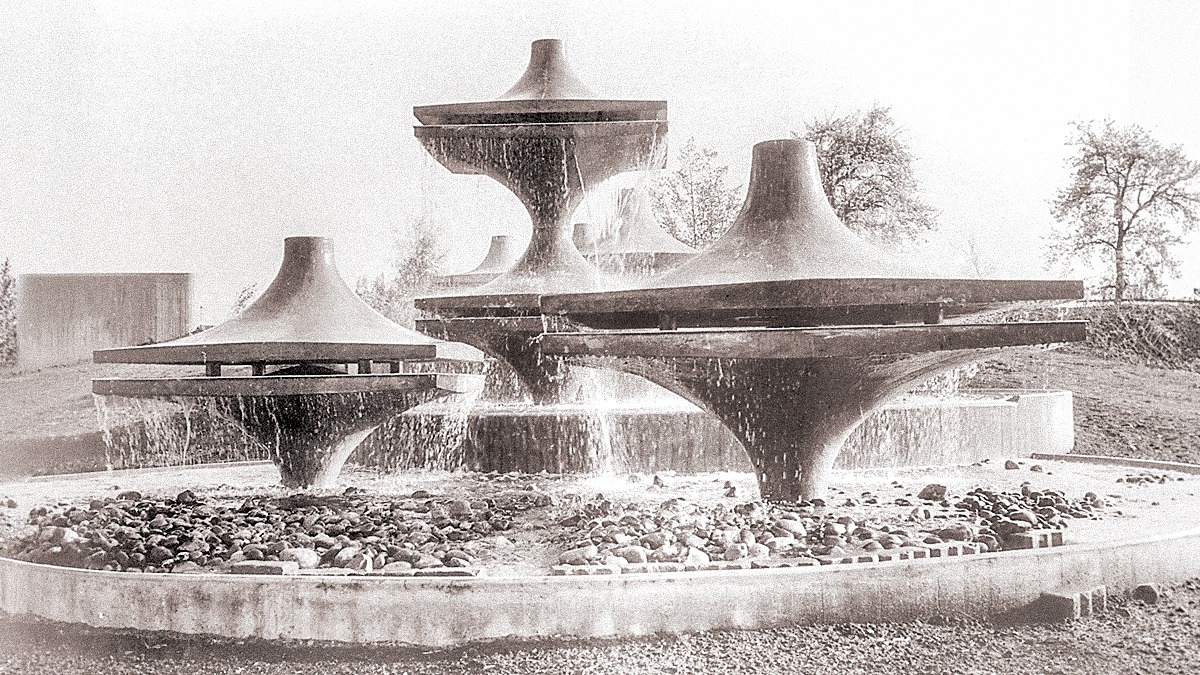
Franz Reckert, Brunnenanlage vor dem AK Altona in Hamburg-Othmarschen, Kunststein, 1971 – Fountain in front of the AK Altona in Hamburg-Othmarschen, artificial stone, 1971
Kunst am Bau 2: Mahnmal »Weiße Rose« (1977)
Public Art 2: »White Rose« Memorial (1977)
Franz Reckert, Mahnmal für die Widerstandsgruppe Weiße Rose in Hamburg-Volksdorf, Muschelkalk, 1977 – Memorial to the White Rose resistance group in Hamburg-Volksdorf, shell limestone, 1977